


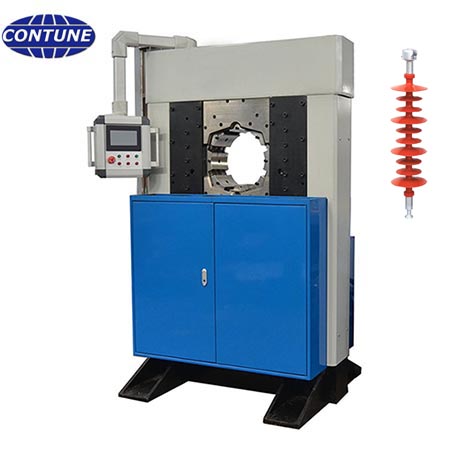
Silicone rubber injection molding forms the housing and sheds of composite insulators, supporting weather resistance and creepage distance.
The process should be selected with product drawing, mold design, material behavior and capacity target in mind.
Molding process role
The molding process creates the outer insulation housing and sheds.
Stable temperature and pressure control help improve product consistency.
Machine and mold selection
Buyers should check injection capacity, clamping structure, mold size and demolding method.
Mold quality is as important as the machine itself.
Material and surface quality
Silicone rubber preparation affects flow, bonding and final appearance.
Surface defects should be traced back to material, mold or process settings.
Production line connection
Molding is connected with FRP preparation, crimping, marking and final testing.
Buyer checklist
- Product drawing
- Shed profile
- Material type
- Mold size
- Cycle time
FAQ
Is injection molding suitable for long insulators?
It can be, but machine and mold design must match product length.
Can Contune discuss molding as part of a turnkey line?
Yes. Molding can be planned with other production equipment.
Discuss your project: Contact Contune with product drawings, voltage class, test requirements and target capacity.