


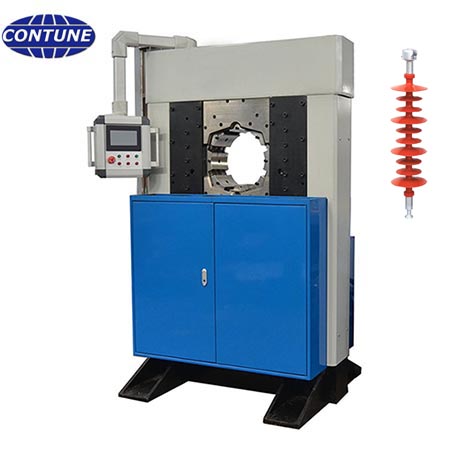
Surge arrester silicone rubber molding equipment should be selected from product size, housing profile, injection volume, mold structure, heating control and production capacity. The machine and mold must be planned as one system.
Although surge arresters are not the same as composite insulators, many buyers evaluate them together with silicone rubber molding equipment for high-voltage products.
Define arrester housing range
List diameter, length, shed profile, creepage distance and expected output.
This information determines mold size, injection volume and opening stroke.
Match mold and machine
Mold design must match machine clamping, injection capacity, heating and demolding method.
Review the {rubber injection molding machine} before finalizing mold investment.
Control heating and curing
Stable temperature and curing time help avoid poor filling, surface defects and inconsistent quality.
Operators should record parameters for repeatable production equipment.
Plan quality inspection
Check dimensions, surface appearance, bonding and customer-specific requirements.
For new products, discuss samples and acceptance criteria before mass production equipment.
Buyer checklist
- Housing diameter and length
- Shed profile
- Mold structure
- Injection volume
- Heating control
- Inspection criteria
FAQ
Can one molding machine cover arresters and insulators?
Sometimes, if mold size, injection volume and clamping requirements fit both product families.
What should be confirmed before buying?
Product drawings, target output, rubber material, mold scope and acceptance criteria.
Discuss your project: Send drawings, test standards, voltage class, expected capacity and destination country through the Contune contact page.