


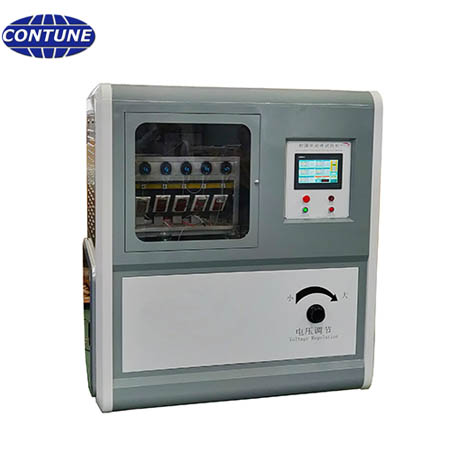
IEC standards affect testing equipment selection by defining what the product must demonstrate, but buyers still need to translate each requirement into machine capacity, fixtures, data output and laboratory layout.
A practical approach starts with a test matrix and then maps the matrix to equipment such as tensile testers, cantilever testers and electrical test systems.
Standards are not machine specifications
A standard may describe test requirements, but it does not automatically define the exact equipment model.
Buyers must convert requirements into load range, voltage range, sample size and fixture details.
Build a test matrix
A test matrix should include product type, sample size, test name, load or voltage, duration, fixture and report requirement.
This matrix makes quotation comparison much more accurate.
Avoid under-specified quotations
Generic offers may miss fixtures, safety devices, calibration needs or installation support.
A complete quotation should show what is included and what remains outside the scope.
Connect laboratory and production
Testing equipment should be selected together with production equipment so quality control is ready when production starts.
Buyer checklist
- Standard and clause
- Product type
- Sample size
- Load or voltage
- Report requirement
FAQ
Should buyers send the standard name only?
No. Send the actual test list and product details for accurate equipment selection.
Can Contune help prepare a test matrix?
Yes. Contune can discuss equipment selection based on your product range and required tests.
Discuss your project: Contact Contune with product drawings, voltage class, test requirements and target capacity.