


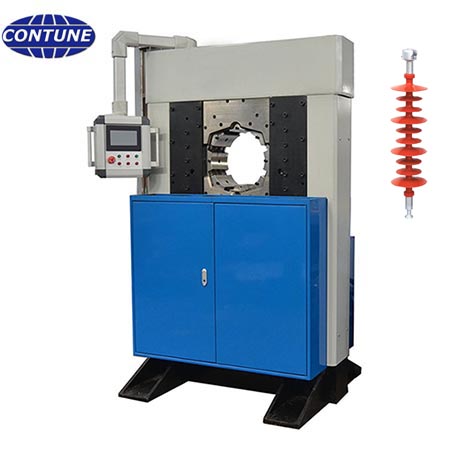
Insulator production line layout planning affects production efficiency, safety, handling and future expansion. Long products, molding machines, crimping equipment and test systems all need enough working space.
Layout should follow the actual manufacturing process from FRP preparation to final testing.
Map the process flow
Place equipment in a sequence that reduces unnecessary lifting and backtracking.
Typical flow includes rod preparation, molding, crimping, marking, inspection and testing.
Plan handling for long samples
Long rod insulators need straight working space, lifting access and safe movement between stations.
Testing equipment may require the largest footprint in the workshop.
Separate clean and heavy work areas
Molding and surface preparation have different cleanliness and handling needs.
Separating work zones can improve product quality and operator safety.
Reserve future expansion space
A layout that is too tight can block capacity growth or new product sizes later.
Buyer checklist
- Process sequence
- Longest product
- Lifting access
- Utilities
- Testing zone
- Future expansion
FAQ
Should layout be finalized before machine order?
A preliminary layout should be reviewed before order confirmation.
What causes layout problems?
Common causes include underestimating product length, lifting space and testing machine footprint.
Discuss your requirement: send Contune the product drawing, voltage class, test standard, load range, sample length and target capacity through the contact page.