


Combined Electro-Mechanical Strength Tester of Insulators

A combined electromechanical strength test is a significant test for electrical ceramic disc insulators of overhead lines. This testing machine is essential for the manufacture of porcelain insulators to inspect and control quality.
- General Details
Combined electro-mechanical strength tester at a glance
- Test performed: combined electro-mechanical strength test – high voltage across the insulator unit while a mechanical tensile load is applied at the same time.
- Purpose: reproduces the service condition of a disc insulator, which carries the conductor load and the system voltage simultaneously on the line.
- Test object: electrical ceramic (porcelain) and glass disc insulator units of overhead lines, ball and socket type.
- Role: a basic type test and a quality control test for insulator manufacturers and research institutes.
- Structure: a mechanical part (universal testing machine for tensile and compression loading) and an electrical part (power transformer generating the high voltage).
- Ratings: voltage rating and load rating are configured to the units under test and to the applicable standard.
1. What this machine is used for
The combined electro-mechanical strength tester performs the combined test on ceramic and glass disc insulator units for overhead lines. A high voltage is applied across the unit, between the ball and the socket, while a defined mechanical tensile load is applied at the same time. It is a necessary and basic type test for insulator manufacturers and research institutes, used to inspect the quality of porcelain and glass disc insulators.
On the line a disc insulator carries the conductor load and the system voltage at the same time. Testing the two stresses separately does not reveal a weakness that only appears when both act together, which is why the combined test exists. The unit passes when it withstands the specified combined stress without electrical breakdown or flashover and without mechanical failure of the ceramic part or of the coupling.
2. Standards applied
The voltage level, the mechanical load level and the holding time are taken from the applicable insulator standard and from the purchaser specification:
- IEC 60383-1 – Insulators for overhead lines with a nominal voltage above 1000 V, Part 1: ceramic or glass insulator units for a.c. systems – definitions, test methods and acceptance criteria. It specifies the combined mechanical and electrical test of string insulator units.
- IEC 60060-1 and IEC 60060-2 – High-voltage test techniques, for the generation and the measurement of the test voltage.
- IEC 61109 – Composite suspension and tension insulators for overhead lines, where composite units are tested.
- ANSI C29 series – applied instead of IEC where the purchaser specifies ANSI requirements.
3. How the test is carried out
- The disc insulator unit is mounted in the machine and connected to the high voltage between the ball and the socket.
- The voltage is raised to the specified value and held.
- The mechanical tensile load is raised to the specified level and held for the specified time, while the voltage stays applied.
- The unit passes when no electrical breakdown or flashover and no mechanical failure of the ceramic part or of the coupling occurs.
- Where the standard requires it, the load is then raised further until the unit fails, and the failing load is recorded.
4. Technical parameters
The machine is configured to the insulator units under test: the voltage rating follows the highest power frequency test voltage of the applicable standard, and the load rating follows the specified mechanical load of the units.
Item Configuration Mechanical loading Universal testing machine, tensile and compression, load rating configured to the specified mechanical load of the units under test Electrical part Power transformer generating the high voltage applied across the unit; voltage rating configured to the applicable standard Loading control Constant-rate load control with load holding for the specified time Measurement Test voltage, load and holding time monitored throughout the test Control and reporting Automatic sequence with data recording, curve drawing and report printing Test object Ceramic and glass disc insulator units, ball and socket type Voltage rating, load rating and test fixtures are engineered to order. Tell us the insulator type and the standard you test to and we will size the machine accordingly.
5. Key functions
- Applies high voltage and mechanical tensile load to the same insulator unit at the same time.
- Constant-rate mechanical loading with load holding for the specified time.
- Voltage applied and monitored throughout the mechanical loading.
- Automatic detection of electrical breakdown – flashover or puncture – and of mechanical failure.
- Optional load increase up to the failing load, with the failing load recorded.
- Data recording, curve drawing and test report printing.
- Overload protection for the mechanical part and safety enclosure for the high voltage part.
6. Typical applications
- Insulator manufacturers – type testing and production quality control of porcelain and glass disc insulator units.
- High voltage laboratories and power research institutes – design verification and qualification of purchased units.
- Power utilities – acceptance testing of insulator strings.
7. Frequently asked questions
1. What is a combined electro-mechanical strength test?
It is a test in which high voltage is applied to both ends of a disc insulator unit while a defined mechanical tensile load is applied at the same time, so that the electrical and the mechanical stress of service are reproduced together.
2. Why is the combined test needed if the mechanical test and the electrical test are done separately?
A disc insulator carries the conductor load and the system voltage simultaneously. Some weaknesses only appear when both stresses act together, so the combined test is a basic type test for ceramic and glass disc insulator units and cannot be replaced by the two separate tests.
3. Which insulators are tested on this machine?
Electrical ceramic (porcelain) disc insulators of overhead lines, and glass disc insulators, including the ball and socket cap and pin units used in insulator strings.
4. What is the tester made of?
Two parts: a mechanical part, a universal testing machine that applies the tensile or compression load, and an electrical part, a power transformer that generates the high voltage across the insulator.
5. How are the voltage and the mechanical load selected?
Both are taken from the applicable insulator standard and from the project or purchaser specification, because they depend on the type and on the rating of the insulator being tested. The machine is configured accordingly.
6. Is it used as a type test or as a routine test?
The combined test is specified as a type test for the design and is also used by manufacturers as a quality control test on the production line, with the sample size and the frequency taken from the standard and from the quality plan.
Related insulator test equipment
This combined tester belongs to the electrical test equipment for insulators range. Contune also supplies the insulator power frequency test equipment for withstand, dry and wet flashover and puncture tests, and the insulator tensile testing machine for pure mechanical loading of long rod insulators, cables and fittings. See the full insulator testing machines catalogue for further mechanical and electrical test solutions.
- Comments
- Related Products
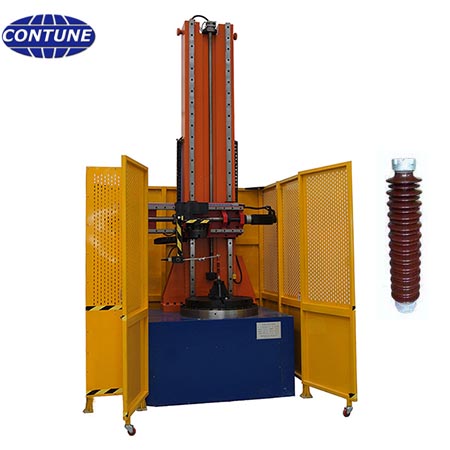
Insulators Testing Machine for Cantilever & Torsion Test
Cantilever & torsion test equipment is used for the mechanical bending test and the torsion test of post insulators according to the test methods and acceptance criteria of technical standard IEC 61109 and IEC 60383.