


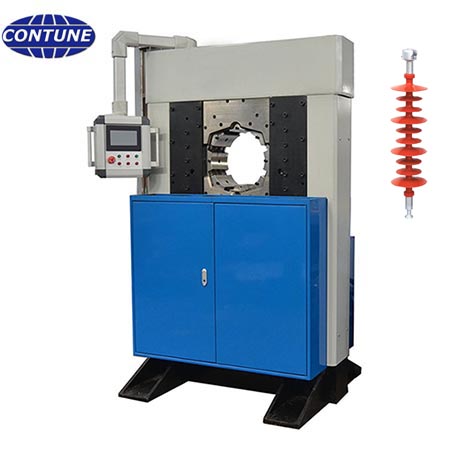
Rubber injection mold design for composite insulators affects product appearance, shed geometry, bonding quality and production efficiency. The mold should be planned together with the injection machine and product drawings.
The molding process is one of the key steps in the composite insulator manufacturing process.
Start from the shed profile
Shed shape, creepage distance and product length define the mold structure.
Product drawings should be reviewed before machine and mold selection.
Match mold and injection machine
Mold size, opening stroke, heating method and injection volume must match the selected rubber injection molding machine.
Ignoring this match can lead to poor filling or difficult demolding.
Control material flow and heating
Silicone rubber flow, venting, temperature and curing time affect consistency.
Mold design should support stable production rather than only one successful sample.
Plan demolding and maintenance
A good mold should allow safe demolding, cleaning and maintenance without excessive downtime.
Buyer checklist
- Product drawing
- Shed profile
- Mold length
- Injection volume
- Heating design
- Demolding method
FAQ
Can one mold cover many products?
Only products with matching geometry can share tooling. Most product families need dedicated molds.
Should mold and machine be quoted together?
For new projects, yes. The match between mold and machine is important.
Discuss your requirement: send Contune the product drawing, voltage class, test standard, load range, sample length and target capacity through the contact page.