


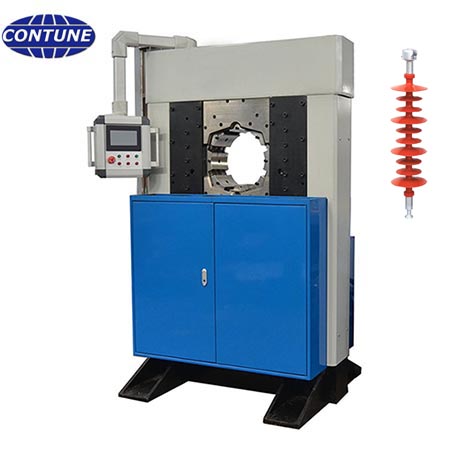
Silicone rubber shed molding defects can affect appearance, creepage geometry, bonding and long-term performance of composite insulators.
Defects should be analyzed across material, mold, machine and process settings, not only blamed on one production step.
Common defect types
Typical problems include incomplete filling, flash, bubbles, poor surface finish, contamination or difficult demolding.
Each defect has different possible causes.
Machine and mold factors
Injection volume, pressure, temperature, venting and mold design affect molding stability.
The rubber injection molding machine and mold should be planned together.
Material and preparation factors
Silicone rubber storage, mixing, contamination and preparation can influence flow and bonding.
Clean handling procedures help reduce repeated defects.
Use test feedback
Mechanical and electrical test results can reveal whether surface or bonding problems are affecting product performance.
Buyer checklist
- Defect type
- Mold condition
- Temperature setting
- Injection pressure
- Material batch
- Demolding process
FAQ
Can defects be solved only by changing machine settings?
Not always. Mold design, material and operator procedure may also be involved.
Why record defects?
Records help identify repeat patterns and improve process stability.
Discuss your requirement: send Contune the product drawing, voltage class, test standard, load range, sample length and target capacity through the contact page.