


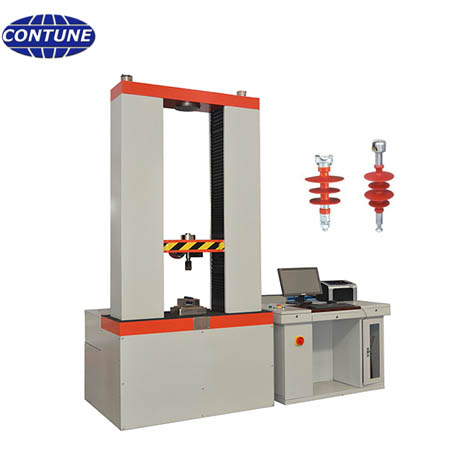
A thermo-mechanical test chamber combines environmental temperature control with mechanical stress conditions for high-voltage insulator testing.
It is useful for laboratories that need to evaluate product behavior under combined service-related stress, especially when customer specifications require more than simple room-temperature testing.
What thermo-mechanical testing checks
The test can evaluate how materials, interfaces and fittings behave under temperature changes and mechanical load.
It is especially relevant for composite insulators where FRP core, silicone housing and end fittings work together.
Equipment configuration
Buyers should define temperature range, chamber size, loading method, sample length and control accuracy.
The test setup may require customized fixtures because insulator geometry varies.
Connection with other tests
Thermo-mechanical testing is often planned with tensile, cantilever and torsion tests.
A complete test plan should also consider electrical and material tests where required.
Project planning points
Large samples need sufficient chamber space and safe handling. Installation conditions should be discussed before purchase.
Buyer checklist
- Temperature range
- Sample length
- Load range
- Fixture design
- Safety and installation space
FAQ
Is this a routine production test?
Usually it is used for design, type or customer-required testing rather than every product.
Can fixtures be customized?
Yes. Fixtures should be designed around actual sample geometry and load direction.
Discuss your project: Contact Contune with product drawings, voltage class, test requirements and target capacity.