


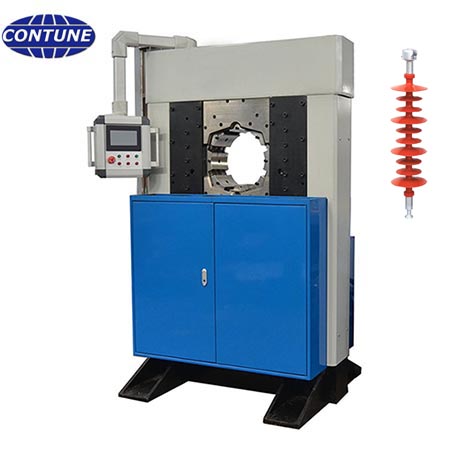
Installation and commissioning are critical for composite insulator production and testing equipment. Even a well-designed machine can be delayed if the site is not ready, utilities are incomplete or acceptance criteria are unclear.
Buyers should discuss installation requirements before shipment, especially for production lines, rubber injection systems, crimping machines and high-load testing machines.
Prepare the site before shipment
Confirm workshop floor, foundation, access route, lifting equipment, power supply, compressed air, cooling and ventilation.
For testing equipment laboratory setup guideoratories, also review grounding, clearance and safe operator zones.
Check layout and utilities
Equipment should be placed according to process flow, material movement and maintenance access.
The {laboratory setup guide} is useful when commissioning includes high-voltage or mechanical test systems.
Run mechanical and process checks
Commissioning normally includes leveling, connection, dry run, software checks, safety checks and trial production equipment or trial tests.
The buyer and supplier should record issues and confirm corrective actions.
Train operators during commissioning
Training should cover machine operation, routine maintenance, safety, fixture setup and basic troubleshooting.
A written acceptance record helps the team use the equipment consistently after the supplier leaves.
Buyer checklist
- Foundation and access
- Power and compressed air
- Cooling and ventilation
- Safety zone
- Trial production or tests
- Operator training
FAQ
When should installation requirements be confirmed?
Before shipment, so the buyer has time to prepare utilities and layout.
What is commissioning acceptance?
It is the agreed check that the machine runs, produces or tests correctly, and operators understand the procedure.
Discuss your project: Send drawings, test standards, voltage class, expected capacity and destination country through the Contune contact page.