


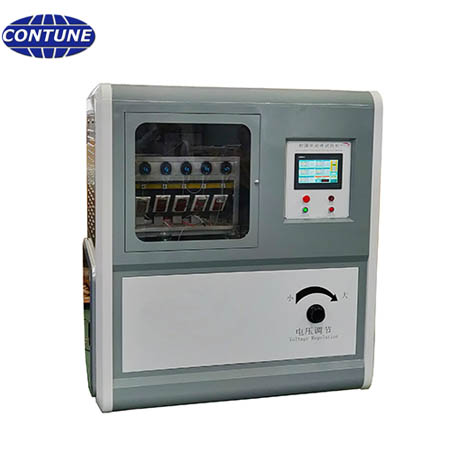
A large cantilever and torsion test machine combines several mechanical load modes in one system. Reading the specification correctly helps buyers avoid overpaying for unused capacity or under-sizing the machine for real samples.
The CTLWN500 brochure data gives a useful example: 300kN tensile load, 20kN cantilever load, 5kN·m torsion load and 2000mm valid tensile test length.
Source facts used
- Model CTLWN500 lists valid tensile test length 2000mm.
- Maximum tensile test load is 300kN.
- Maximum cantilever test load is 20kN.
- Maximum torsion test load is 5kN·m.
- Computer control and programmable test procedure are included.
- Fitting connection includes ball and socket style connection.
Separate each load mode
Tensile, cantilever and torsion loads do not mean the same thing. A machine may have high tensile capacity but lower side-load or torque capacity.
Buyers should list each required test separately before comparing quotations.
Check sample length and fixtures
The valid tensile test length of 2000mm is a hard planning constraint for the sample and fixtures.
Ball and socket connection can be relevant for insulator fittings, but custom products may need additional adapters.
Control and procedure repeatability
Computer control and programmable procedure matter when the same laboratory repeats tests across batches or customer inspections.
Ask whether load ramp, hold time, displacement and torque data are recorded in the report.
Buyer checklist
- Tensile load
- Cantilever load
- Torsion load
- Valid test length
- Fitting interface
- Programmable procedure
FAQ
Can one machine replace all mechanical test machines?
Not always. It can combine several load modes, but sample size and required fixtures still determine suitability.
Why list three load ratings?
Because tensile, bending/cantilever and torsion are different mechanical demands.
Need a practical recommendation? Send product drawings, voltage class, test standard, sample size and destination country through the Contune contact page.