


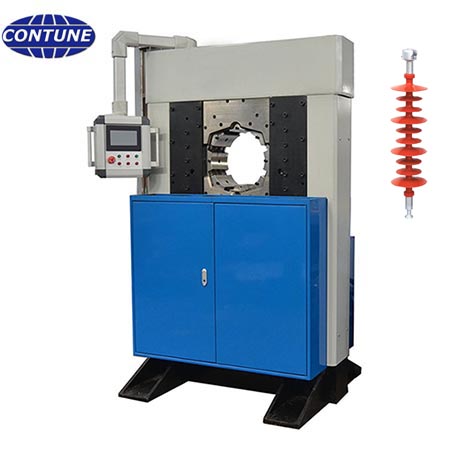
Selecting machines for 11kV to 800kV composite insulators requires more than matching a voltage number. Voltage class affects product length, creepage distance, core rod diameter, end fittings, molding method, mechanical load and test scope.
A practical equipment plan should connect the production machine family with the testing machine family so the factory can manufacture and verify the full product range.
Start from product dimensions
Voltage class normally changes insulator length, shed profile and creepage distance. Larger products require larger molds, longer handling space and stronger fixtures.
Before selecting equipment, list the maximum product length, rod diameter, fitting type and monthly production machine family target.
Match the production process
Use the {composite insulator manufacturing process} to decide which operations are needed: FRP rod preparation, crimping, silicone rubber injection, trimming, marking and inspection.
A low-voltage product line and an 800kV product line may share some equipment but usually differ in mold size, handling and test capacity.
Plan testing capacity
Mechanical tests, electrical tests and routine inspection should be planned according to the target product range.
A long rod product may need a horizontal tensile tester, while post products may need cantilever or torsion testing machine family.
Prepare a detailed RFQ
Use the {RFQ preparation guide} to send drawings, voltage range, product sizes, standards, capacity and destination country.
This allows the supplier to size machines, molds, fixtures and installation scope correctly.
Buyer checklist
- Voltage class range
- Maximum length and creepage distance
- Core rod diameter
- End fitting type
- Mold and machine size
- Required mechanical and electrical tests
FAQ
Can one line cover 11kV to 800kV products?
Sometimes, but the machine and mold scope must be planned around the largest products and the expected capacity.
Why does voltage affect equipment selection?
Higher voltage often means longer samples, larger molds, different handling and higher test requirements.
Discuss your project: Send drawings, test standards, voltage class, expected capacity and destination country through the Contune contact page.