


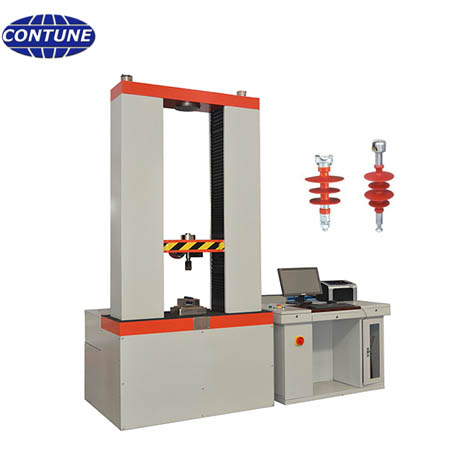
A composite insulator production line should be planned as a connected system, not as a collection of unrelated machines. The line needs to support stable material preparation, silicone rubber molding, end fitting assembly, product marking, inspection and final testing. When these steps are matched correctly, manufacturers can improve repeatability and reduce rework.
This article gives buyers a practical overview of key equipment and process flow for polymer insulator production. It is designed for manufacturers, new factory investors and technical teams comparing production machines, insulator testing machines and turnkey support options.
1. Define product range before selecting equipment
The first step is to define the product range. A line for 11kV distribution insulators is different from a line for long rod suspension insulators, post insulators, hollow core products or surge arrester housings. The equipment plan should consider length, diameter, shed profile, voltage class, maximum mechanical load and production capacity.
Without a clear product range, buyers may choose machines that are too small, too slow or difficult to adapt to future products.
2. Main process flow of a polymer insulator line
A typical production flow includes FRP rod preparation, silicone rubber housing and shed molding, metallic end fitting preparation, crimping, marking, visual inspection, mechanical testing and electrical or material-related testing.
For some factories, production may be arranged in separate work cells. For larger production, the process may be organized as a more integrated line with dedicated material flow, fixtures and test stations.
3. Core production machines
The core equipment normally includes molding equipment, end fitting crimping equipment, rod preparation equipment and marking systems. The exact configuration depends on the product family.
For end fitting assembly, a crimping machine for composite insulator production is one of the most important machines. It controls the mechanical connection between the fitting and the FRP core.
For housing and shed formation, buyers may need a rubber injection molding machine or other silicone rubber molding solution. For rod surface preparation, FRP rod grinding equipment can support consistent bonding conditions.
4. Testing machines should be planned with the line
Testing equipment should not be treated as an afterthought. If the production line makes high-voltage composite insulators, the factory needs a reliable way to verify mechanical and electrical performance before delivery.
Common equipment includes horizontal tensile testing machines, cantilever and torsion testing machines, tension and cantilever testing equipment, power frequency test equipment and tracking and erosion test equipment.
These machines help manufacturers generate quality data for internal control, customer inspection and export acceptance.
5. Factory layout and capacity planning
Production line planning also includes workshop layout, material storage, machine foundation, power supply, lifting conditions, operator movement and inspection flow. Long insulators and heavy test machines may need special floor space and lifting arrangements.
Capacity planning should consider molding cycle time, crimping speed, curing time, testing duration and rework rate. A balanced line avoids bottlenecks where one process waits too long for another.
6. Turnkey planning for new manufacturers
New manufacturers often need more than individual equipment. A turnkey plan can include process design, equipment selection, machine installation, commissioning, operator training and testing procedure support.
Contune can help buyers plan production machines and testing machines together, especially when the project includes both manufacturing and laboratory setup. Visit Contune services or request a production line discussion to start with your target product list.
7. Equipment checklist for buyers
Before requesting a quotation, prepare the insulator type, voltage class, maximum length, FRP rod diameter, end fitting type, expected annual capacity, required tests and available factory space. This information allows the supplier to recommend a realistic equipment configuration instead of a generic machine list.
FAQ
What is included in a composite insulator production line?
It usually includes rod preparation, silicone rubber molding, end fitting crimping, marking, inspection and testing equipment. The exact line depends on the product range and capacity target.
Should testing machines be purchased together with production equipment?
For manufacturers, yes. Testing machines are important for production quality control and customer acceptance, especially for high-voltage composite insulators.
What information is needed for a production line quotation?
Buyers should provide voltage class, product type, maximum length, load range, production capacity, required standards and workshop conditions.
Planning a composite insulator line? Send Contune your product range and target capacity. We can recommend matching production and testing equipment.
For a step-by-step process view, read Composite Insulator Manufacturing Process: From FRP Rod to Final Test.